Meet Vanessa
A bit about how I got here.
How I came into this work, how I tend to lead, and why I still enjoy the problems. I have kept it plain on purpose.
Background
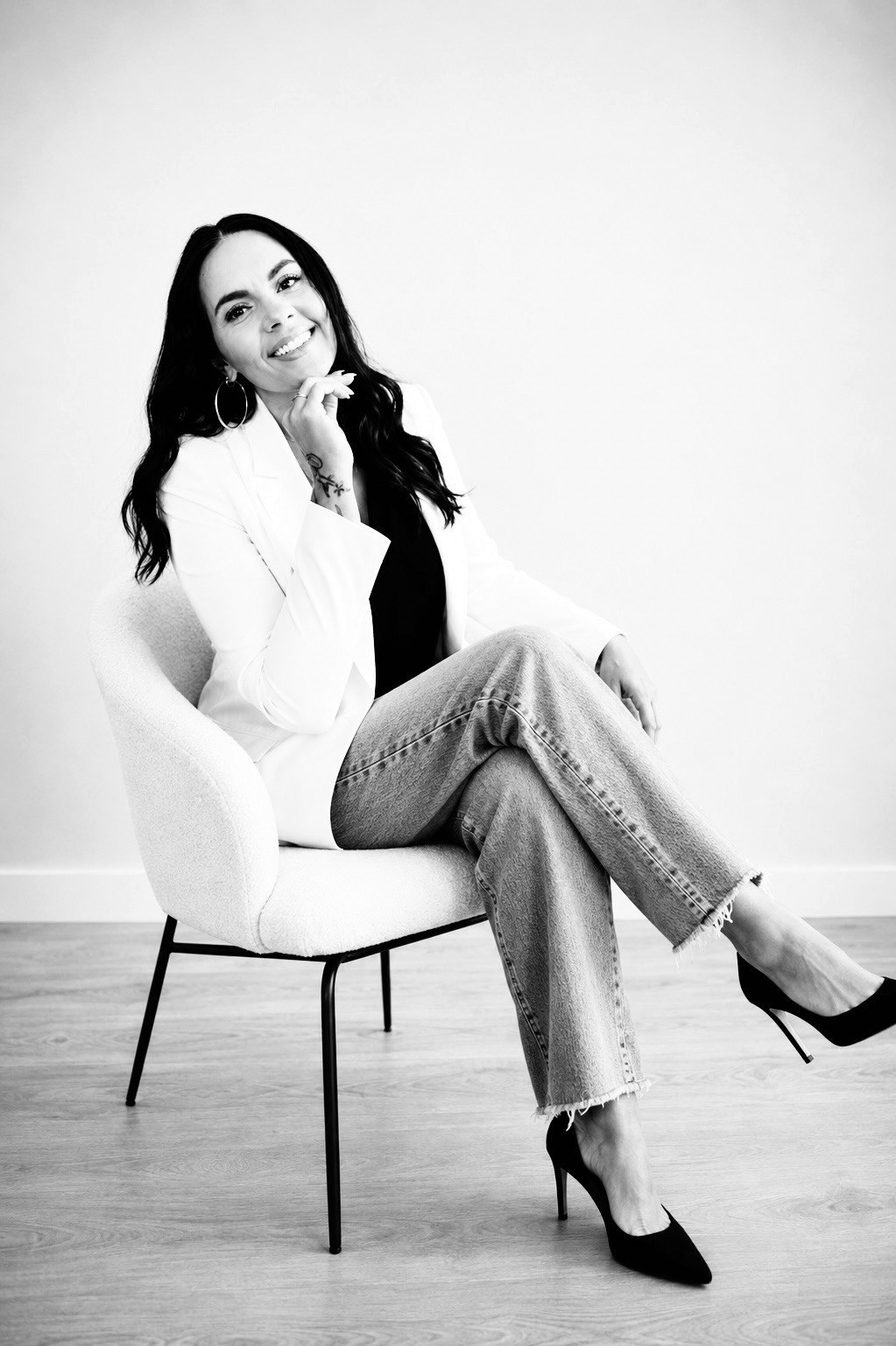
I am based in Lehi, Utah, with more than fifteen years of experience across marketing, operations, customer experience, and, more recently, AI-assisted product development. Most of my career has been about the same thing: taking a situation that is stuck or unclear and getting it to a decision people can actually work from.
I started in hands-on marketing and customer leadership, spent years running growth programs for a product company, and then built my own practice working out why companies stall and putting the systems in place to get them moving. Along the way I earned a bachelor’s in Marketing Management and a master’s in Digital Marketing, and I taught myself to build software with AI because I would rather ship something than only recommend it. I enjoy building businesses almost as much as marketing them, and most of my work sits where those two meet.
How I lead
Do the work to get the decision right, then be willing to make the call when the evidence runs out.
I lead with evidence where I have it and with judgment where I do not, and I own the result either way. I would rather spend the time to name the real problem than move fast against the wrong one. But I have also learned not to let the wait for certainty turn into an excuse to avoid deciding. Both parts matter, and most of leading is knowing which one the moment calls for.
What I am like to work with
The questions people usually have when they are deciding whether to hand me something real.
On being straight with clients
I tell people the truth about their own numbers, including the ones that are not flattering. I am also clear about the difference between what I know and what I am guessing, so no one mistakes a hunch for a fact. That is usually why the relationships last.
On getting teams moving
When a team is stuck, I try to turn it into one clear question and a first step people can actually take. And I explain why the plan makes sense rather than just handing it down, because people follow a decision they understand and quietly ignore one they do not.
On how I am in a room
Calm and prepared. I listen a lot at the start because I am still working out what the real problem is. When it is time to decide I am direct, and I will ask the uncomfortable question rather than let a room agree to something no one in it actually believes.
On disagreement
I put the disagreement on the table instead of working around it. I look for what each person is actually worried about, point to where the evidence leans, and keep the group deciding on that rather than on who is most senior or loudest. Then I make sure everyone leaves on the same page.
How I make decisions
I start by getting clear on the decision itself, because a lot of stuck teams are arguing about the wrong one. I gather the evidence and weigh it honestly, and I pull the people who have to live with the outcome into the reasoning early so alignment is not something I have to sell later. Then I decide. When the evidence is clear that is easy. When it is not, I make the call anyway, own it, and adjust as things come in. I try to keep every decision one I could explain in the open, with nothing hidden. Here is the longer version.
How my work has changed
From doing the work to building the system. Early on I delivered marketing directly: campaigns, content, customer programs. Good work without a system behind it does not survive the next quarter or the next hire, so I stopped optimizing single campaigns and started building the operating systems underneath them. I do not believe in adding complexity when a simpler system will solve the problem, and most of the time a simpler one does.
From marketing to what is behind it. The longer I worked on brand and growth problems, the more the real cause turned out to be internal: unclear ownership, teams pulling in different directions, a promise the company could not actually keep. Good marketing cannot compensate for broken operations. That is what pushed me to build a diagnostic that treats culture and marketing as two views of the same problem.
From recommending to owning it. I built my methodology and its governance because I wanted the work to end in a decision someone was accountable for, not a deck that could be filed and forgotten. That is the shift that matters most in how I work now.
Why I built my own methods
I kept watching capable companies make avoidable mistakes, not for lack of talent but because they had no repeatable way to decide. Every hard call started from scratch, went to whoever pushed hardest, and left no record of why. I built my Executive Diagnosis method and its governance to change that: a way to name the real problem, weigh the evidence, put someone in charge of the outcome, and reach a decision that holds after the meeting is over.
I built the InBrand Theory diagnostic for the same reason, a level deeper. It measures organizational health across seven areas so a leadership team can see, in evidence rather than opinion, why their outside results and their inside reality have drifted apart. These are not academic frameworks. They are the tools I actually use.
Industries I have worked in
Consumer products and pet wellness
B2B SaaS and technology
Hospitality and local services
Automotive care and repair
Professional and moving services
Health, nutrition, and wellness technology
Skin care, lash, and massage
Real estate
Photography
Core strengths
Executive diagnosis
Finding the real problem underneath the presenting symptom, and grading the evidence before acting on it.
Systems thinking
Solving a problem once, then making the solution repeatable so it holds without me in the room.
Organizational effectiveness
Connecting internal culture and governance to external brand and market performance.
Strategic and executive communication
Moving a group from disagreement to a decision it can defend, and writing it down so it lasts.
Marketing and growth strategy
Building the channel and content systems that turn a promise into measurable demand.
AI-assisted product development
Adopting new tools fast and using them to ship, not just to talk about shipping.
A few things I hold to
Report the number that hurts as plainly as the one that helps.
Do not add complexity when a simpler system will do the job.
Good marketing cannot compensate for broken operations.
A plan is only worth as much as the execution behind it.
Why I still like this work
I enjoy a hard business problem. Someone is stuck, the answer is not obvious, and the obvious answer is usually wrong. The part I like is when a situation that felt like a mess turns into a clear question with an answer you can defend, and a team that was going in circles starts pulling the same direction. It is not the theory that keeps me interested. It is watching a real company make a better call because the thinking underneath it was actually sound.